
Industrial Scrap Buyers in Gurgaon A Complete Guide for Factories and Businesses
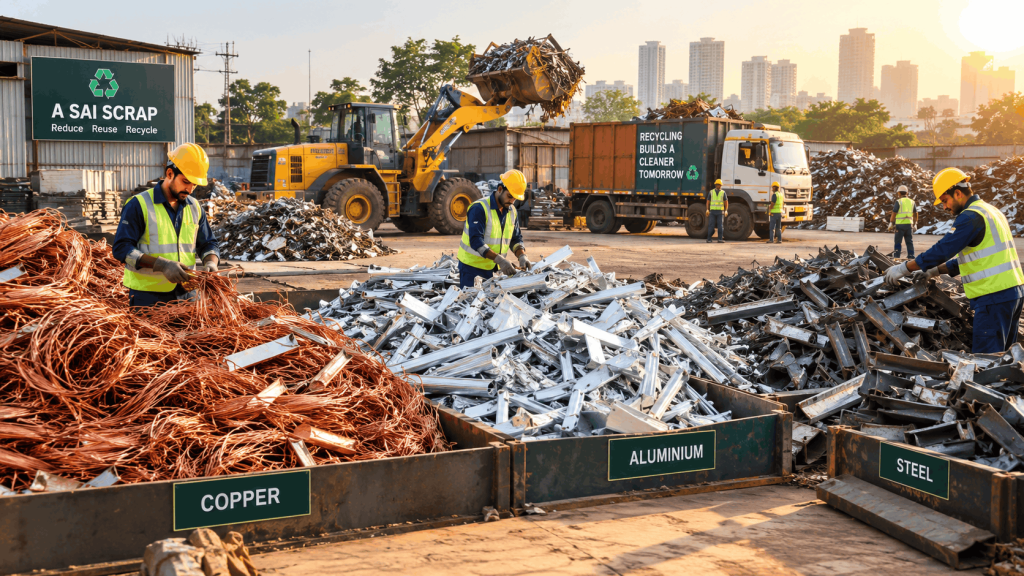
Walk through Udyog Vihar, Manesar or the units along Sohna Road and you’ll spot the same thing: offcuts stacked behind a shed, old machine parts rusting in a corner, cable drums untouched for two years. Most businesses see clutter. It’s actually idle money, and it sits on floor space you’re paying for.
If you run a factory, warehouse, contracting firm or commercial property, finding the right industrial scrap buyers in Gurgaon affects your space, your accounts and your compliance record. Here’s what to look for and what to expect.
Why Selling Scrap Properly Matters
- Recovered value. Copper, aluminium, brass and stainless steel hold their worth. Selling at fair rates adds revenue instead of letting metal corrode.
- Safety. Loose metal, broken pallets and leftover material are trip and fire hazards.
- Space. Every square foot of junk is a square foot you can’t use.
- Records. A proper buyer gives you weight slips and billing, which your accountant will want.
What Industrial Scrap Can You Sell?
- Ferrous: iron, MS plates, turnings, structural steel, old machinery
- Non-ferrous: copper, aluminium, brass, bronze
- Stainless steel: sheets, pipes, fabrication waste
- Electrical: copper cables, motors, transformers, panels
- E-waste: old servers, UPS units, batteries, circuit boards
- Packaging: industrial plastic, drums, cardboard, pallets
Keep each material separate. A buyer who finds copper mixed into an iron heap will usually price the whole lot lower.
Who Needs a Scrap Buyer?
Factories and manufacturing units produce steady waste and need regular collection, not a one-off visit.
Warehouses build up pallets, packaging and damaged racks, especially after a layout change.
Contractors generate metal and cable fast during dismantling or fit-outs, so quick pickup matters.
Property managers retire old ACs, wiring and fittings, and need clean paperwork for owners and tenants.
How to Choose a Scrap Buyer
Transparent weighing. Ask if they use a calibrated scale and whether you can watch. For big lots, you can request weighment at a nearby dharam kanta.
Clear rates. Metal prices move daily. A good buyer explains how they reached their number. A quote far above everyone else often turns into deductions later.
Own vehicles and labour. Loading heavy material safely needs the right trucks and people.
Proper billing. If you’re GST registered, this isn’t optional.
Industrial experience. Clearing a factory floor is nothing like collecting a few kilos from a home.
Quick response. Standard lots can often be inspected, quoted and scheduled within a day or two.
How the Process Usually Works
- You share the material type, rough quantity and location.
- The buyer inspects the site or reviews photos.
- You get a quote per kilo or per lot.
- Pickup is scheduled when your loading area is free.
- Material is weighed, recorded and loaded.
- You receive payment and the bill.
If any step feels vague, ask. Good buyers don’t mind questions.
What Affects Scrap Pricing
- Grade. Clean copper wire fetches more than burnt or mixed wire.
- Condition. Paint, oil or insulation changes the value.
- Quantity. Larger volumes often get better per-kilo rates.
- Market trends. Global metal prices shift regularly.
- Sorting. Separated scrap almost always prices better.
The easiest protection is comparing two or three same-day quotes for the same material description.
Common Mistakes to Avoid
- Mixing metals to save time, then losing value at sorting
- Selling to the first person who shows up
- Skipping weighing or not noting the weight yourself
- Taking cash with no paperwork, which causes audit trouble
- Waiting until the yard overflows, which weakens your negotiating position
A simple monthly record of what you produce and sell gives you a stronger hand every time.
Tips for a Better Deal
- Segregate at the source in marked bins or areas.
- Store scrap under cover and off wet ground.
- Plan pickups on a regular cycle instead of waiting for an emergency.
- Send someone you trust to be present during weighing.
- Stick with one dependable buyer instead of switching every time.
Responsible Disposal
Industrial waste isn’t always just metal. Batteries, oils, chemicals and e-waste need extra care and shouldn’t go into general scrap. Make sure your buyer handles them responsibly. As the business owner, the paperwork trail protects you.
Why Businesses Choose Asaiscrap
If you want a dependable partner in Gurgaon, Asaiscrap works with factories, warehouses, contractors and property managers who want a straightforward process: honest weighing, fair rates, on-time pickup and proper billing. Whether it’s a one-time clearance after a project or regular pickups from a production unit, the goal is to make scrap one less thing for your team to manage.
Visit asaiscrap.in to share your requirement and get a quote.
FAQs
Do industrial scrap buyers in Gurgaon pick up from the site?
Most established ones do, especially for bulk lots. Confirm vehicle and labour arrangements beforehand.
Can I get a bill for the scrap I sell?
Reputable buyers provide documentation. Ask before agreeing to a deal.
How do I get the best rate?
Sort your material, compare same-day quotes, and sell in meaningful quantities.
How often should a factory sell scrap?
Depends on output. Many units do it monthly or fortnightly so waste never builds up.
Final Thoughts
Scrap is a byproduct of doing business, and how you handle it says a lot about how tightly you run things. The right industrial scrap buyer in Gurgaon saves space, brings steady returns and keeps your paperwork clean. Compare quotes, ask the awkward questions, and pick someone who respects your material and your time.